Table of Contents
- When a Roof Repair May Be Enough
- When It May Be Time for a Full Replacement
- Comparing Costs: Short-Term vs. Long-Term
- The Importance of a Professional Inspection
- Making the Right Decision for Your Home
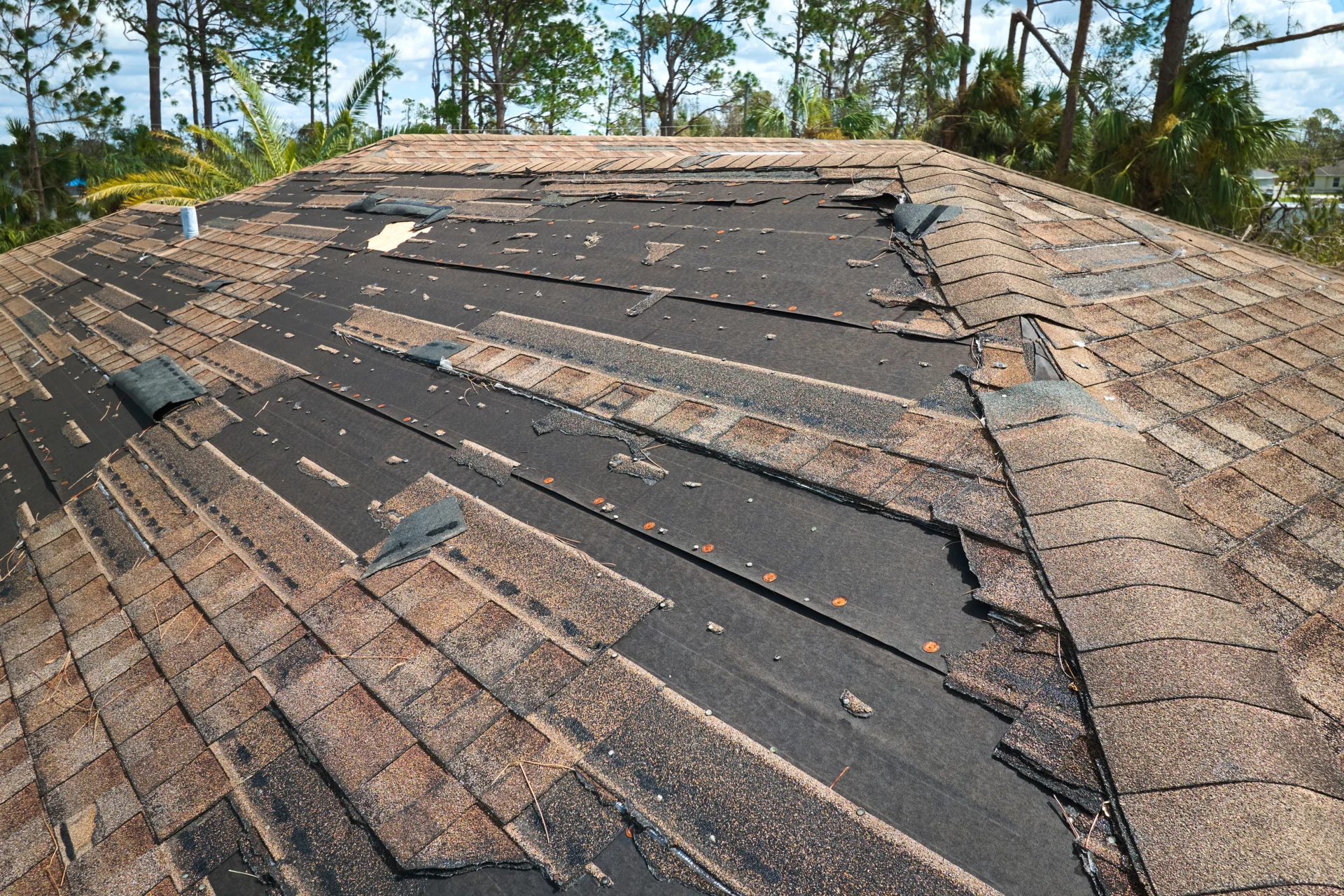
A roof problem can quickly put homeowners on edge. Whether it’s a small leak, missing shingles, or visible wear and tear, the big question is usually the same: Do I need a repair your roof, or is it time for a full replacement?
The answer depends on several factors, including the age of your roof, the extent of the damage, and your long-term plans for your home. Understanding the difference between situations that call for a repair versus a replacement can help you make a confident and cost-effective decision.
When a Roof Repair May Be Enough
Not every roofing issue requires a complete replacement. In many cases, a targeted repair can extend the life of your roof and restore its performance.
- Isolated or Minor Damage
If the issue is limited to a small area, such as a few missing shingles, minor flashing damage, or a localized leak, a repair is often sufficient. Storm damage that affects only one section of the roof may also fall into this category.
Addressing minor issues quickly is key. Small problems can escalate if ignored, leading to more extensive water damage and higher repair costs later.
- A Relatively New Roof
The age of your roof plays a major role in the decision. If your asphalt shingle roof is under 10–15 years old and otherwise in good condition, repairing isolated damage typically makes more sense than replacing the entire system.
Most roofing materials have predictable lifespans. Asphalt shingles often last 20–25 years, while metal or tile roofs can last longer. If your roof is well within its expected life and hasn’t had recurring problems, a repair is usually the practical choice.
- Damage From a Specific Event
When a problem can be traced to a single event like high winds, hail, or a fallen tree limb, and the rest of the roof remains structurally sound, repairs are often the best solution. In these cases, restoring the damaged section may return the roof to full functionality.
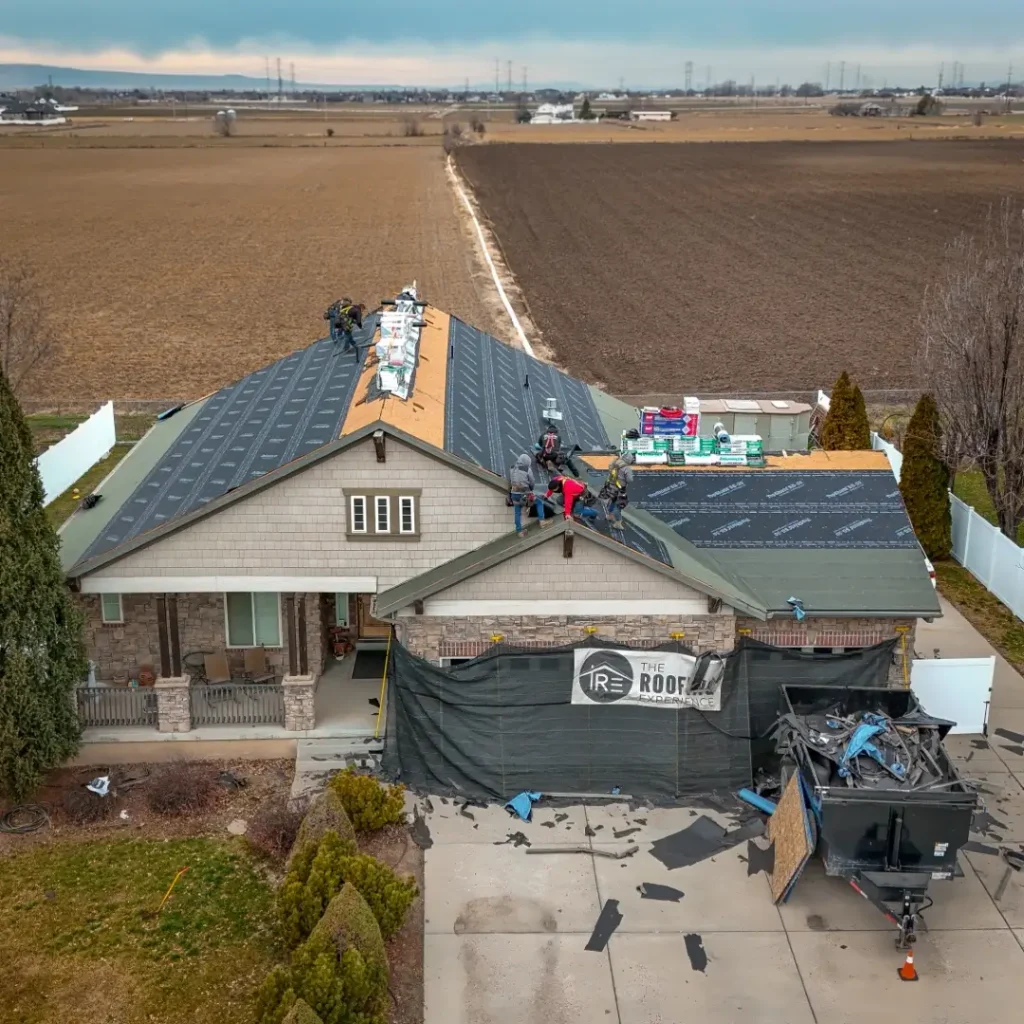
When It May Be Time for a Full Replacement
While repairs are appropriate in many situations, there are clear signs that a full replacement may be the smarter long-term investment.
- The Roof Is Nearing the End of Its Lifespan
If your roof is approaching or has exceeded its expected lifespan, ongoing repairs may only provide short-term relief. Older roofs are more vulnerable to leaks, material breakdown, and structural concerns.
Replacing an aging roof before serious failure occurs can prevent water intrusion, mold growth, and costly interior damage.
- Widespread Shingle Deterioration
If you notice curling, buckling, cracking, or bald spots where granules have worn away, it may indicate systemic wear. When damage appears across multiple areas rather than in one isolated section, patching becomes less effective.
Similarly, if you’re dealing with multiple leaks in different locations, that often signals broader material failure rather than a single point of entry.
- Structural Concerns
A sagging roofline, soft spots when walking on the roof, or visible rot in the decking are serious warning signs. These issues go beyond surface-level damage and may compromise the structural integrity of the roofing system.
In these cases, replacement is typically necessary to ensure safety and long-term protection.
- Rising Energy Bills
Your roof also plays a role in ventilation and insulation. If your attic isn’t properly ventilated or your roofing system is no longer sealing effectively, your heating and cooling costs may increase. A new roofing system can improve energy efficiency and overall home comfort.
Comparing Costs: Short-Term vs. Long-Term
It’s natural to focus on upfront costs. Repairs generally cost less initially, which makes them appealing when budgets are tight. However, repeated repairs can add up quickly.
If you find yourself fixing new leaks every year, the cumulative cost may eventually exceed the investment of a replacement. A new roof also increases property value and improves curb appeal, which can be especially important if you plan to sell your home.
A professional assessment helps determine whether a repair truly solves the problem or simply postpones a larger issue.
The Importance of a Professional Inspection
It can be difficult to fully evaluate a roof from the ground. Some signs of damage like compromised underlayment or subtle flashing issues aren’t always visible without a close inspection.
A comprehensive roof inspection typically includes checking:
- Shingles and surface materials
- Flashing around chimneys and vents
- Ventilation systems
- Gutters and drainage
- Underlayment and decking (when accessible)
An experienced contractor can determine whether the issue is localized or systemic and provide guidance based on your roof’s overall condition.
Making the Right Decision for Your Home
Ultimately, the decision to repair or replace depends on the roof’s age, the extent of the damage, and your long-term goals. A small, recent issue on a newer roof often calls for repair. Widespread wear on an aging roof usually points toward replacement.
If you’re unsure which direction is right for your home, scheduling a professional evaluation is the best first step. The team at The Roofing Experience provides thorough inspections and straightforward recommendations so you can make an informed choice.
Contact The Roofing Experience to schedule a roof assessment and get clear guidance on whether a repair or replacement is the best solution for protecting your home.