Roof Ventilation in Ogden & Northern Utah: What Every Homeowner Needs to Know
When most homeowners think about their roofs, they picture shingles, flashing, and maybe even gutters. But there’s a crucial part of your roofing system that’s out of sight—and often out of mind: roof ventilation.
At The Roofing Experience, we’ve seen firsthand how proper roof ventilation can make or break the performance of a roof here in Ogden and all across Northern Utah. Whether you’re trying to beat the summer heat or avoid ice dams in the winter, having the right roof ventilation system in place is essential.
So, what are the different types of roof vents? Why do they matter for your home? And how do you know if your attic is breathing the way it should?
Don’t Wait until Damage Gets Worse!
Why Roof Ventilation Matters in Utah’s Unique Climate
Northern Utah isn’t easy on roofs. We get blistering summer heat, freezing temperatures, heavy snow, and strong canyon winds. That wide swing in weather conditions can cause all kinds of roofing problems if your attic doesn’t have proper airflow.
Here’s what roof ventilation helps prevent:
- Moisture buildup in your attic that can lead to mold or rot
- Overheating that shortens the lifespan of your shingles
- Ice dams in winter that can cause water to back up under your roof
- Sky-high energy bills from poor temperature regulation
Think of roof ventilation like your home’s way of exhaling. Without it, heat and moisture get trapped—and that can create serious issues over time.
The Most Common Types of Roof Ventilation Systems
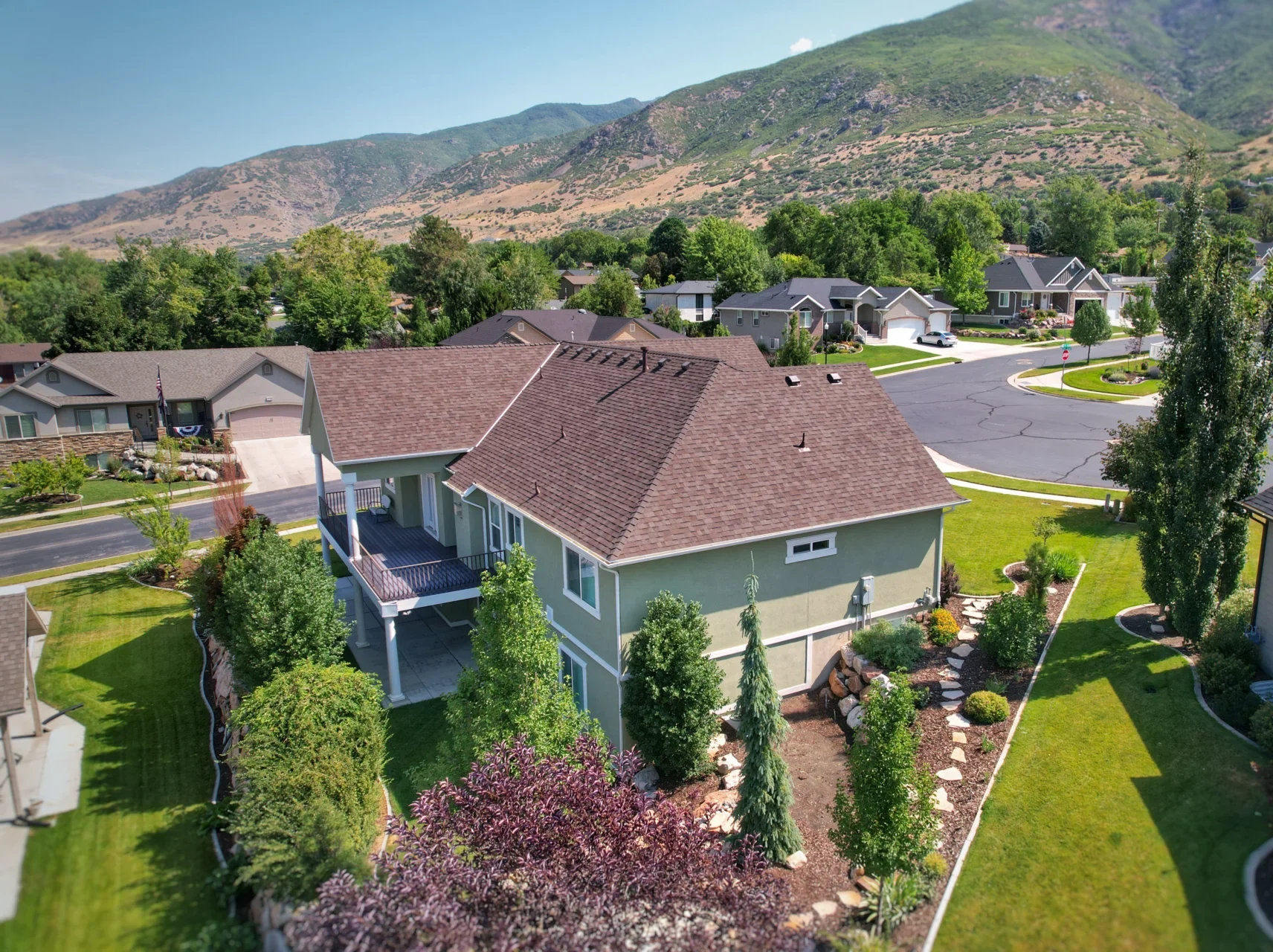
There’s no one-size-fits-all when it comes to roof ventilation. The best setup for your home depends on your roof’s shape, attic size, and even the direction your house faces.
Here are the most common types of roof vents we see (and install) in homes throughout Ogden and Northern Utah:
Roof Ridge Vents
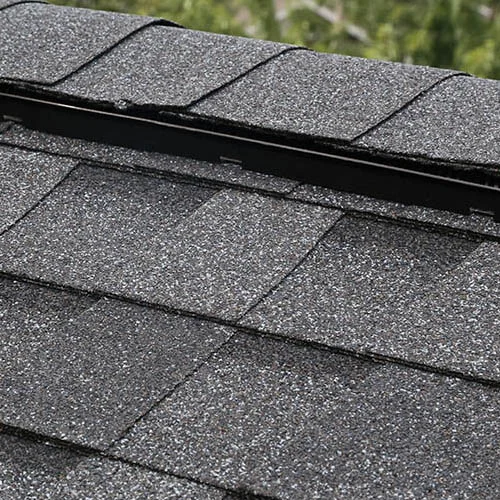
Ridge vents are some of the most effective and visually discreet ventilation options available. These vents run along the peak of your roof and allow warm, humid air to escape naturally through the highest point of your attic.
When combined with soffit vents (more on those in a second), ridge vents create a continuous airflow that pulls in cool air from the eaves and pushes hot air out the top.
Why we like them:
-
No moving parts = fewer maintenance issues
-
Blend in with your roofing system
-
Help regulate attic temperatures year-round
-
Ideal for homes in both summer and winter extremes (which Northern Utah has plenty of)

Soffit Vents
Soffit vents work hand-in-hand with ridge vents. Located under the eaves of your roof, they pull in cooler outside air into your attic space. As the cool air enters through the soffit, it pushes warm, moist air up and out through the ridge vent.
Why they matter: Without soffit vents, ridge vents can’t function properly. The air needs a way in and a way out to keep moving. A good ridge and soffit combo creates what’s known as a passive ventilation system—and it works great in residential homes here in Utah.
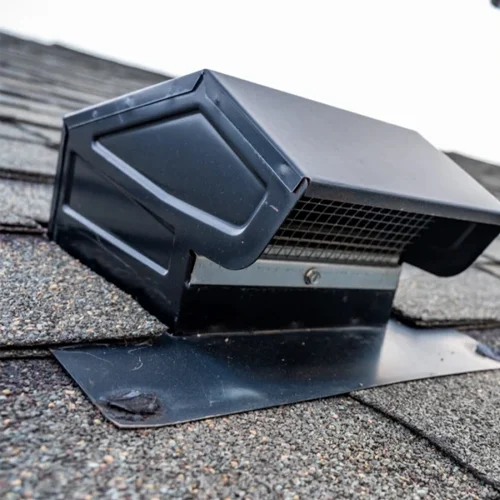
Box Vents (Turtle Vents)
Box vents are simple, static vents that sit near the ridge of your roof. They don’t rely on wind or electricity to operate. Instead, they allow hot air to rise naturally and escape through openings in the roof.
They’re often used in older homes or as a supplemental system when ridge venting isn’t an option. You may need several box vents to achieve the same airflow as a ridge vent system, but they can still be effective when installed properly.
Pros:
-
Affordable
-
No moving parts
-
Good option for specific roof layouts
Cons:
-
You’ll need more of them to do the job
-
Not as efficient as continuous ridge venting
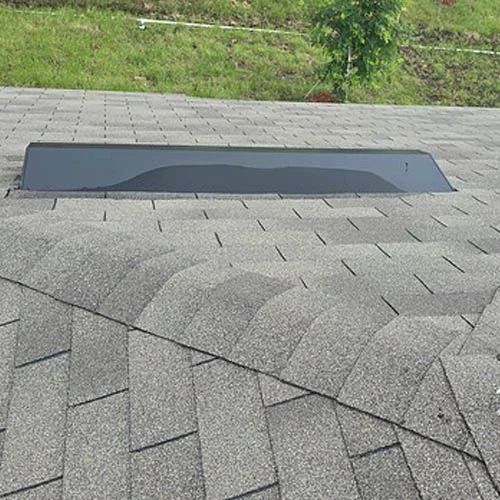
Off-Ridge Vents
These vents look similar to box vents but are longer and narrower. Like box vents, they’re installed near the peak of the roof and allow hot air to escape. While they can be functional, they generally don’t move as much air and often require multiple units to be effective.
Not the first option we recommend—but they can be useful in certain roof designs where space is limited.

Power Vents (Motorized Fans)
Power attic vents (also called PAVs) use electric or solar-powered fans to pull hot air out of your attic. Some come with built-in thermostats or humidity sensors that kick on automatically when your attic gets too hot or damp.
While not as common in Utah homes as ridge/soffit venting, they’re sometimes used when passive systems aren’t enough—especially in more complex rooflines or tightly sealed homes.
Benefits:
-
Actively remove hot, moist air
-
Great for heat-prone attics
-
Can lower cooling bills if used efficiently
Drawbacks:
-
Require electricity or solar
-
May pull conditioned air from your home if not sealed properly
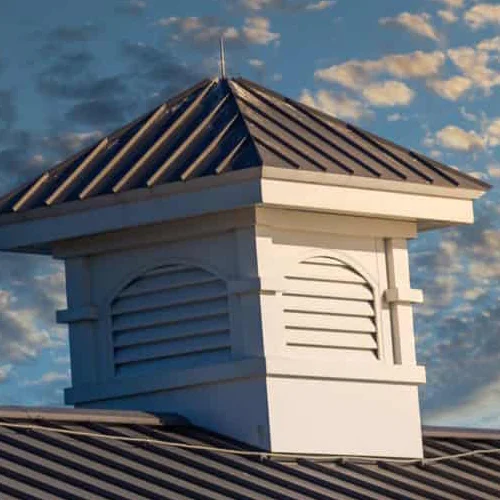
Cupola Vents
These charming architectural features are often more decorative than functional. True cupola vents can let out hot air at a roof’s peak, but they’re rarely used as the sole ventilation system in a home. In fact, most of the time they’re installed purely for aesthetics.
If you love the look, go for it—but we’ll always recommend a functional system underneath.
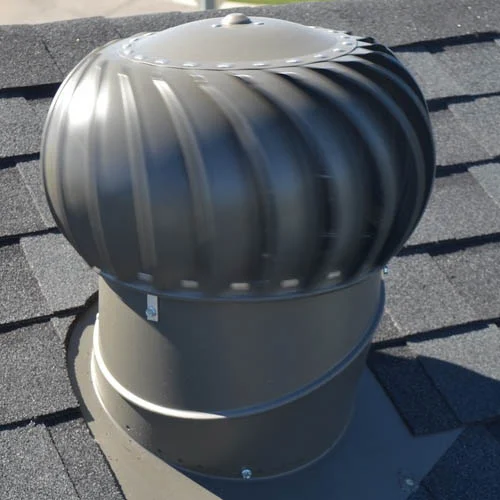
Wind Turbines
Wind turbines use—you guessed it—wind to spin and draw air out of your attic. While they do have moving parts, they don’t require electricity. They’re often seen on older homes or barns and can move a decent amount of air in areas with steady wind.
The downside? They only work when the wind blows. On calm days, your attic ventilation may be lacking. And in our area, that kind of inconsistency can lead to heat and moisture problems fast.
How Do You Know If Your Roof Ventilation Needs Help?
Even if your home has some form of ventilation, it doesn’t always mean it’s doing the job right. Poor airflow in your attic space can sneak up on you and cause real damage before you realize something’s wrong.
Here are a few red flags that your roof’s ventilation might not be working like it should:
- Attic feels like a sauna in summer
- Moisture or condensation in the attic
- Mold or mildew growth
- Peeling paint or warped wood around ceilings or upper walls
- Roof shingles deteriorating faster than expected
- Ice dams forming along the eaves in winter
- High energy bills from constantly running your HVAC system
Get a Roof Ventilation Inspection in Ogden or Northern Utah
If you’re not sure what kind of ventilation your home has—or if it’s doing its job—The Roofing Experience is here to help. We offer free roof inspections for homeowners throughout Ogden, Weber County, Davis County, and surrounding Northern Utah communities.
During your inspection, we’ll check:
- Existing attic airflow
- Vent type and quantity
- Signs of moisture or heat damage
- Overall roof health
If your roof ventilation needs an upgrade, we’ll walk you through the best options using high-performance Malarkey roofing products, ensuring your home is protected year-round.
Don’t Wait until Damage Gets Worse!
Why Choose The Roofing Experience?
We don’t just throw up vents and call it good. We take the time to understand how your attic, insulation, roofline, and ventilation all work together—because they do. A great roof starts with proper airflow, and we’ve been helping Northern Utah homeowners get it right for years.
Here’s what sets us apart:
- Our inspections are honest, detailed, and always free
- Locally owned and operated right here in Ogden
- We specialize in residential roofing—nothing else
- We use premium Malarkey products for performance and longevity
Ready to Breathe New Life Into Your Roof?
If your roof is overdue for an inspection—or you suspect your attic isn’t ventilating like it should—don’t wait. Catching ventilation issues early can save you thousands in repairs and energy costs.
Call The Roofing Experience today or request your free inspection online. We’ll make sure your roof is built to handle everything Northern Utah throws at it—starting with proper ventilation.
See Our Reviews
Roof Ventilation FAQ’s
-
Why is roof ventilation important for homes in Ogden and Northern Utah?
Roof ventilation helps prevent moisture buildup, mold growth, ice dams, and overheating—major issues in Ogden’s extreme seasonal weather. Proper ventilation extends your roof’s lifespan and reduces energy bills by improving airflow in your attic. -
What type of roof ventilation works best in Northern Utah’s climate?
In Ogden and surrounding areas, a ridge and soffit vent system is ideal. This passive ventilation setup allows cool air to enter through the soffits and warm air to exit through ridge vents—helping regulate attic temperature in both summer and winter. -
How can I tell if my roof ventilation needs to be upgraded?
Signs of poor roof ventilation in Northern Utah homes include a hot attic in summer, condensation or mold in the attic, fast-deteriorating shingles, peeling paint, or recurring ice dams in winter. High energy bills are another common clue. -
Are power vents a good option for roof ventilation in Ogden?
Power vents can be effective in specific Ogden-area homes with complex rooflines or limited airflow. They use electric or solar-powered fans to pull hot air out but should be installed carefully to avoid pulling conditioned air from your living space. -
Who should I call for roof ventilation inspection in Northern Utah?
The Roofing Experience offers free roof ventilation inspections for homes in Ogden, Weber County, Davis County, and nearby areas. We specialize in residential roofing and use high-quality Malarkey products to ensure long-lasting performance and protection.