Table of Contents
- What is Roof Flashing?
- Where is Roof Flashing Used?
- How Does Roof Flashing Help Prevent Leaks?
- Common Signs Your Roof Flashing May Be Failing
- What Can Cause Roof Flashing to Fail?
- Can Damaged Flashing Cause Serious Roof Damage?
- When Should You Have Your Roof Flashing Inspected?
- Protect Your Roof With The Roofing Experience
A roof leak does not always start with a missing shingle or obvious storm damage. Sometimes, the culprit is a small piece of material most homeowners rarely think about: roof flashing. Flashing helps keep water moving off your roof instead of finding its way underneath it. But when flashing becomes damaged, loose, or worn out, it can create an easy path for water to enter your home.
In this blog, we will explain what roof flashing is, how it helps prevent leaks, the warning signs that it may be failing, and why addressing flashing problems early can help protect your roof from more serious damage.
What is Roof Flashing?
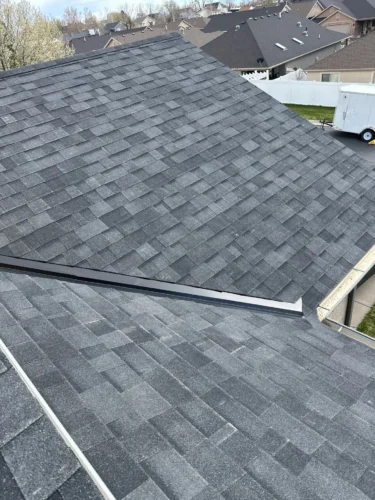
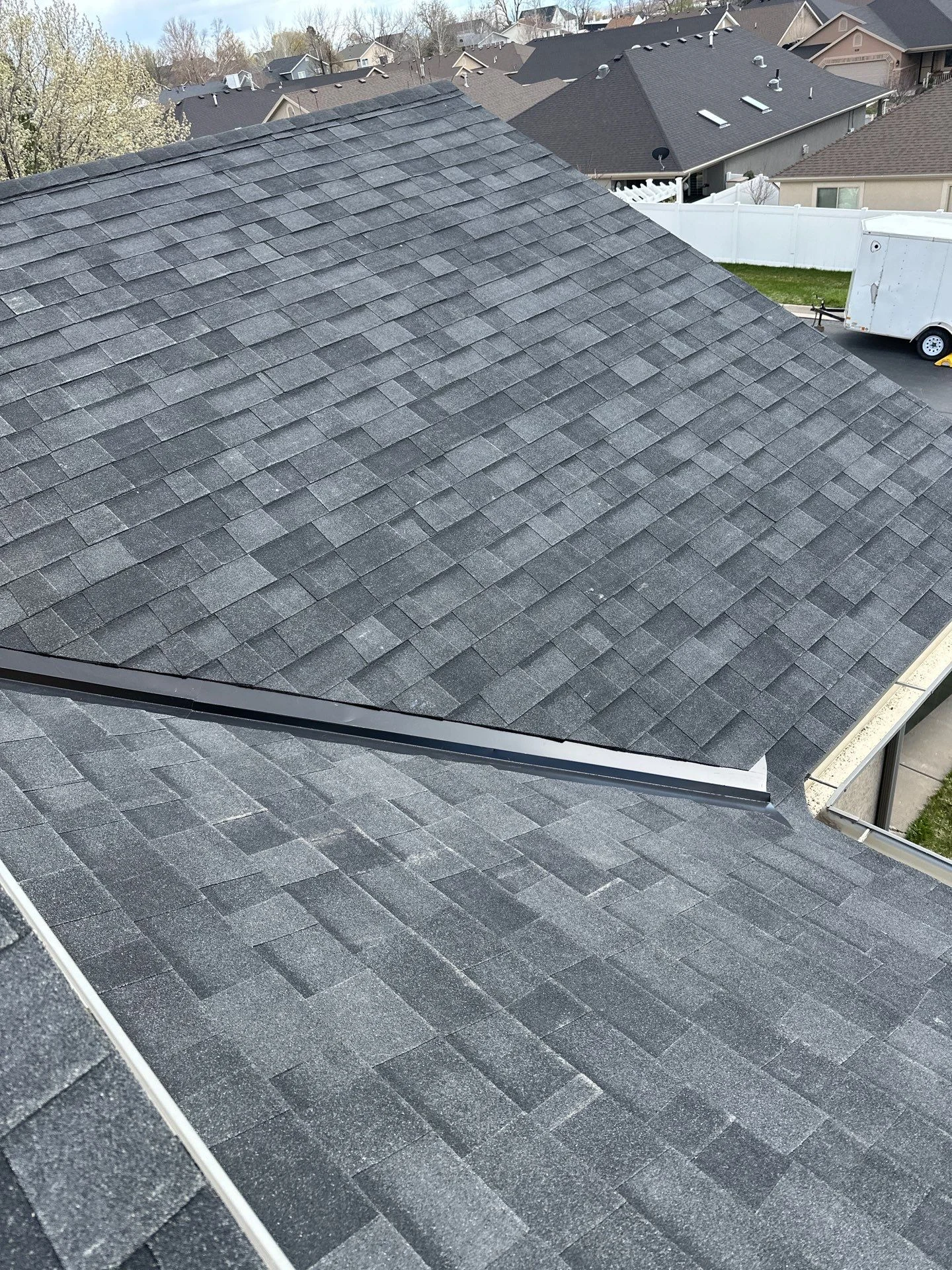
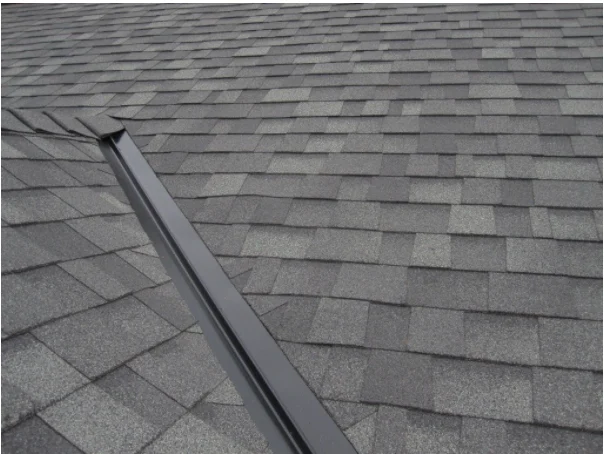
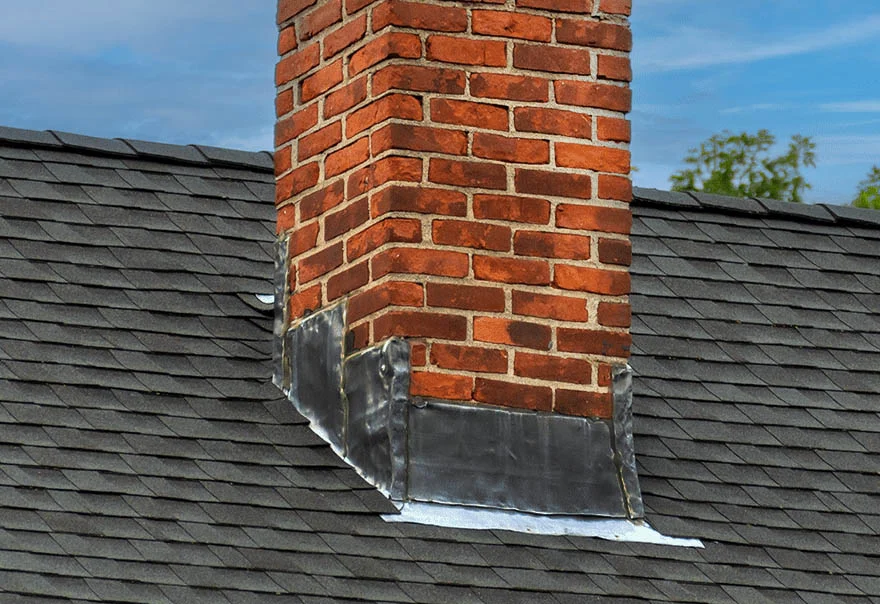
Roof flashing is a water-resistant material, often made from metal, installed around areas where water could otherwise enter the roofing system. It creates a barrier and directs rain and melting snow away from seams, joints, and openings.
Your roof is designed to shed water, but chimneys, vents, skylights, walls, and other structures interrupt the roofing surface. Flashing helps create a watertight transition around these areas.
Where is Roof Flashing Used?
Flashing can be found in several areas throughout a roofing system. Common locations include:
- Chimneys: Flashing seals the area where the chimney meets the roof and helps prevent water intrusion.
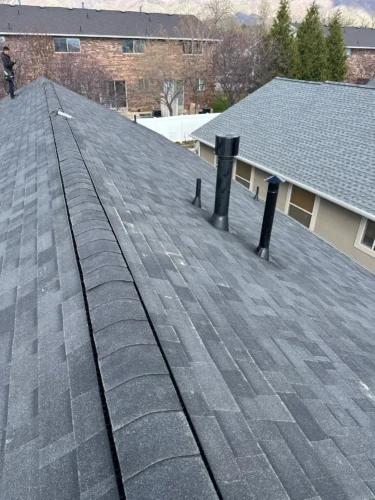
- Roof Vents and Plumbing Pipes: Flashing protects the openings created by these components.
- Skylights: Flashing helps keep rain and melting snow from entering around the edges.
- Roof-to-Wall Intersections: Step flashing helps manage water where a sloped roof meets a vertical wall.
- Roof Valleys: Valleys collect and direct large amounts of water, making proper protection especially important.
- Dormers and Other Roof Structures: Transitions between different surfaces can create potential entry points for water.
How Does Roof Flashing Help Prevent Leaks?
Think of flashing as part of your roof’s water-management system. Shingles shed water down the roof, but they cannot cover every joint and opening. Flashing helps guide water around these areas instead of allowing it to collect or work its way underneath roofing materials.
Properly installed flashing works with shingles and other roofing components to create a path for water to move away from vulnerable areas. If flashing is missing or installed incorrectly, water may get behind shingles or into the layers underneath.
That is one reason a roof can look fine from the ground while still having a potential leak problem.
Common Signs Your Roof Flashing May Be Failing
Flashing problems are not always easy to spot, especially around a chimney, valley, or roof penetration. However, there are some warning signs homeowners should not ignore:
- Water stains on ceilings or walls
- Moisture or dripping in the attic
- Rust or corrosion on visible flashing
- Loose, bent, cracked, or damaged flashing
- Deteriorating sealant around roof penetrations
- Water damage near chimneys, skylights, or vents
- Leaks that appear during or after rain or snow
A water stain does not necessarily show where a leak started. Water can travel through roofing materials or the attic before becoming visible inside your home.
What Can Cause Roof Flashing to Fail?
Like other parts of your roof, flashing is exposed to the elements year after year. Strong winds and storms can loosen or damage it, while temperature changes can cause roofing materials and flashing to expand and contract. Snow and ice can also put additional stress on vulnerable areas.
Over time, metal may corrode, sealants can deteriorate, and flashing can become less effective. Installation matters, too. Flashing that was not installed correctly may allow water to enter even when the rest of the roof is in good condition. Previous roofing work can also disturb existing flashing.
Can Damaged Flashing Cause Serious Roof Damage?
A flashing problem might begin with a small amount of water getting underneath the roofing materials, but repeated moisture intrusion can become a much bigger issue.
Water can damage insulation, wood, drywall, and other materials around a leak. Persistent moisture can also create conditions where mold can develop. The longer a flashing problem goes unnoticed, the more extensive the repair may become.
That is why even a small or occasional roof leak is worth investigating.
When Should You Have Your Roof Flashing Inspected?
You do not have to wait for water dripping from your ceiling before having your flashing checked. An inspection can be worthwhile after a major storm, when you notice visible damage, or when you are already having other roofing work performed.
When replacing an older roof, having the flashing inspected can also help identify potential problems before they contribute to leaks.
Protect Your Roof With The Roofing Experience
Roof flashing may not get as much attention as shingles, but it is an important part of keeping your home protected from water. Damaged flashing can create opportunities for leaks, and those leaks can cause increasingly expensive problems when they are left alone.
If you have noticed a leak, water stain, or damaged flashing, The Roofing Experience can help identify where the water is getting in and determine what needs to be repaired. Professional inspections and repairs can address flashing problems before a small issue turns into more extensive damage.
When your roof shows signs of a leak, do not ignore it. Contact The Roofing Experience to schedule an inspection before the next storm sends more water your way.