Table of Contents
- Start With a Professional Roof Inspection
- Review Your Roofing Options and Estimate
- Choose Your Roofing Materials
- Prepare Your Home for the Project
- Removing the Existing Roof
- Preparing the Roof Deck
- Installing the New Roof
- Cleanup and Final Inspection
- How Long Does a Roof Replacement Take?
- Trust The Roofing Experience With Your Roof Replacement
Replacing your roof is a major home improvement project, but it doesn’t have to be overwhelming. Knowing what happens before, during, and after installation can help you prepare your home and understand what your roofing contractor is doing throughout the process. From the initial inspection to the final cleanup, each step plays an important role in creating a durable, reliable roof.
Let’s learn about what to expect during a roof replacement project so you are prepared.
Start With a Professional Roof Inspection
Before replacing your roof, a professional contractor will inspect its current condition. This helps determine whether a full replacement is needed and identifies issues that could affect the project.
During an inspection, your roofer may look for:
- Missing, cracked, or damaged shingles
- Leaks or water damage
- Damaged flashing
- Rot or deterioration
- Poor ventilation
- Problems with the roof deck
The inspection also helps the contractor understand the size and complexity of your roof so they can provide a more accurate estimate.
Review Your Roofing Options and Estimate
After the inspection, your contractor can discuss your replacement options and provide an estimate. Costs can depend on the size and design of your roof, materials selected, removal of the existing roof, and repairs that may be needed.
Before approving the project, review the estimate carefully and ask questions about what is included. Understanding the scope of the work can help prevent unexpected surprises.
Choose Your Roofing Materials
Homeowners can typically choose from several roofing materials and styles. Asphalt shingles are a popular option, while architectural shingles, metal roofing, and other materials can provide different benefits.
When selecting your roofing material, consider:
- Durability and lifespan
- Appearance and curb appeal
- Energy efficiency
- Maintenance requirements
- Warranty coverage
- Budget
An experienced roofing contractor can help you select an option that fits your home and priorities.
Prepare Your Home for the Project
Roof replacement can be noisy and create debris around your property. Before work begins, move vehicles out of the driveway and clear outdoor furniture, decorations, and other belongings away from the house.
You may also want to remove fragile items from walls and secure belongings stored in the attic. Keep children and pets away from the work area throughout the project to help keep everyone safe.
Removing the Existing Roof
Once installation begins, the roofing crew will typically remove the existing shingles and other roofing materials. This allows the contractor to inspect the materials underneath.
Sometimes, removing an old roof reveals hidden problems, such as damaged decking or moisture intrusion. If additional repairs are needed, your contractor should explain the issue and how it may affect the project.
Preparing the Roof Deck
After the old roofing materials are removed, the roof deck is inspected and prepared for the new system. Damaged or deteriorated sections may need to be replaced.
Your contractor may also install or update components such as underlayment, flashing, drip edges, and ventilation. These components provide additional protection against moisture and help the new roof perform properly.
Installing the New Roof
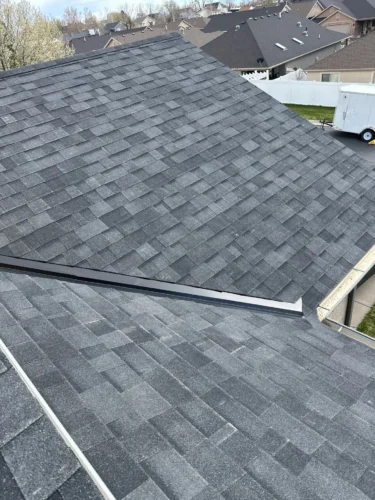
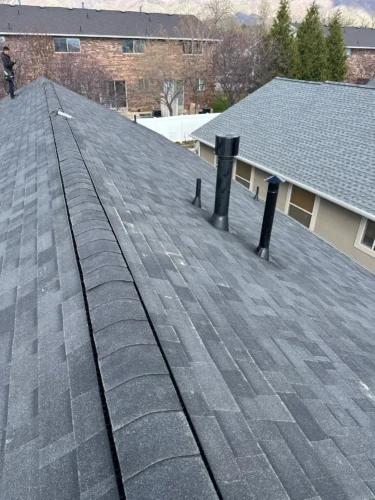
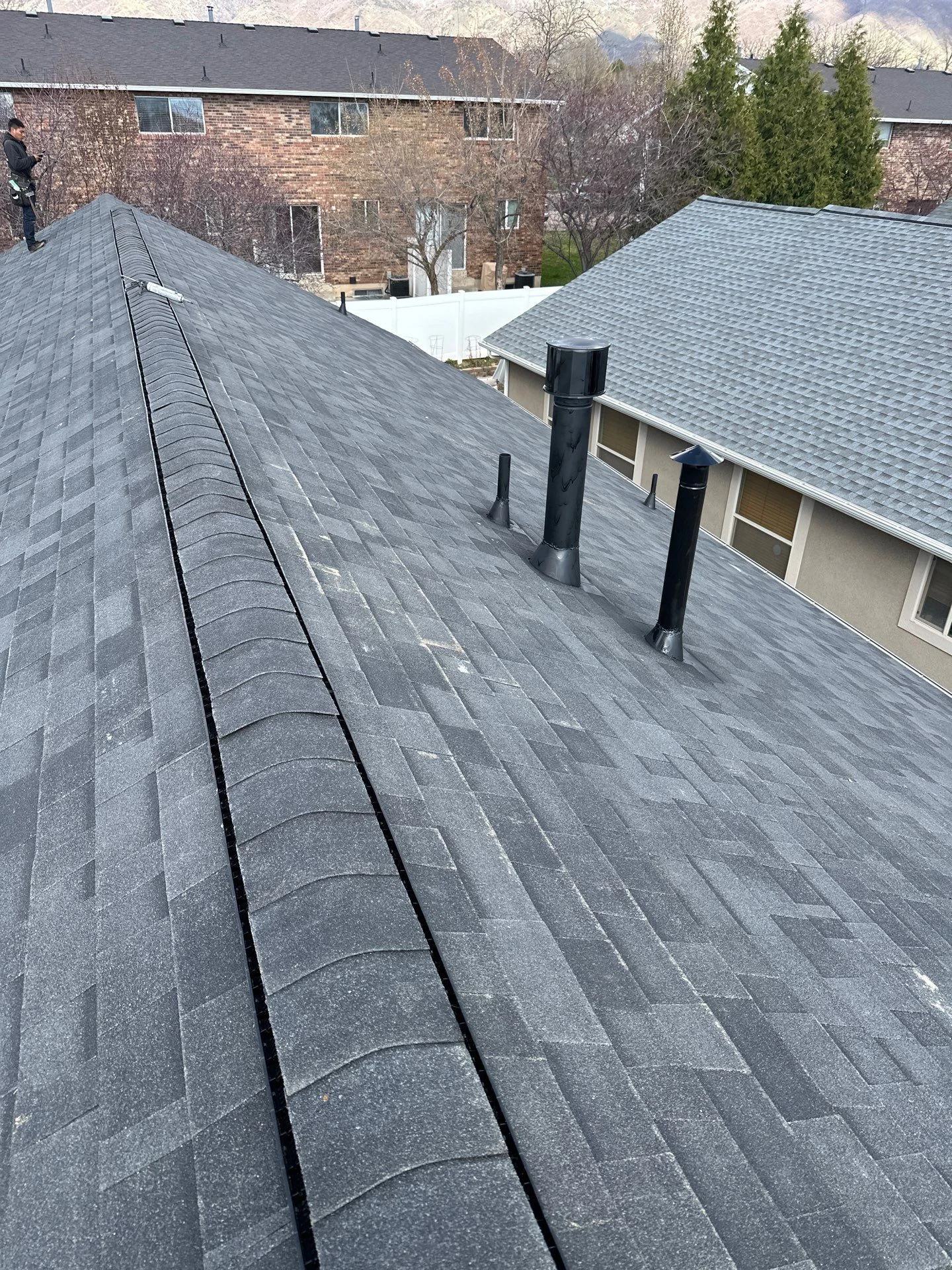
Once the roof deck is ready, the new roofing materials can be installed. The installation process will vary depending on the material you choose, but experienced roofers follow manufacturer specifications and proper installation practices.
Quality installation is just as important as quality materials. Properly installed shingles, flashing, ventilation, and other components help protect your home from weather and extend the life of your new roof.
Cleanup and Final Inspection
A roof replacement isn’t complete when the last shingle is installed. The crew should also remove roofing debris, leftover materials, and other waste from your property.
A final inspection allows the contractor to review the completed roof, address any remaining details, and make sure the work meets the project’s requirements. Your contractor can also provide information about maintenance and warranty coverage.
How Long Does a Roof Replacement Take?
The timeline for a roof replacement depends on factors such as roof size, design, weather, material availability, and the condition of the roof deck.
Your contractor should provide an estimated timeline before work begins. However, unexpected damage or poor weather can sometimes affect the schedule.
Trust The Roofing Experience With Your Roof Replacement
Replacing your roof is an important investment, so choosing an experienced contractor can make a significant difference. The Roofing Experience can guide you through each stage of the process, from inspecting your existing roof and selecting materials to completing the installation and cleanup.
With professional workmanship, quality materials, and attention to detail, you can feel confident knowing your roof is being handled properly.
If your roof is aging or showing signs of damage, contact The Roofing Experience today to schedule an inspection and discuss your roof replacement options.