Table of Contents
- What Are Curling Shingles?
- Roof Age and Normal Wear
- Poor Attic Ventilation
- Storm and Wind Damage
- Improper Roof Installation
- Moisture and Water Damage
- Poor Quality Roofing Materials
- The Importance of Roof Inspections
- Contact The Roofing Experience Today
Your roof is one of the most important parts of your home because it protects everything underneath it from weather, moisture, and outside damage. When shingles begin to curl, crack, or go missing, it is often a sign that the roof needs attention.
Many homeowners notice roofing problems only after a leak or visible damage appears inside the home, but missing or curling shingles are often early warning signs of larger issues. Ignoring these problems can lead to water damage, structural concerns, mold growth, and more expensive repairs later on.
Understanding what causes shingles to fail can help homeowners identify problems early and protect the lifespan of their roof. The Roofing Experience provides professional roof inspections, repairs, and replacement services to help homeowners address roofing issues before they become more serious.
What Are Curling Shingles?
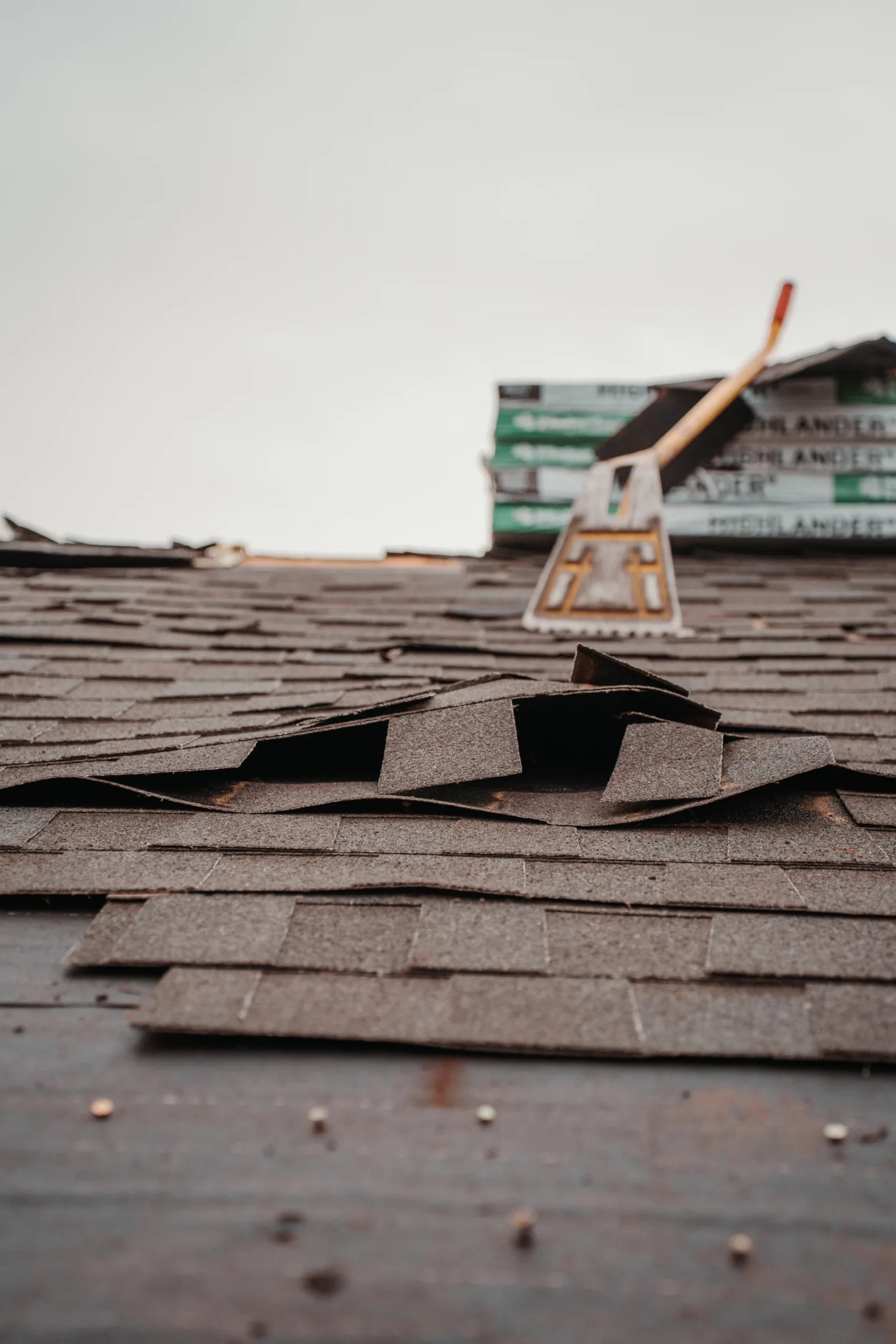
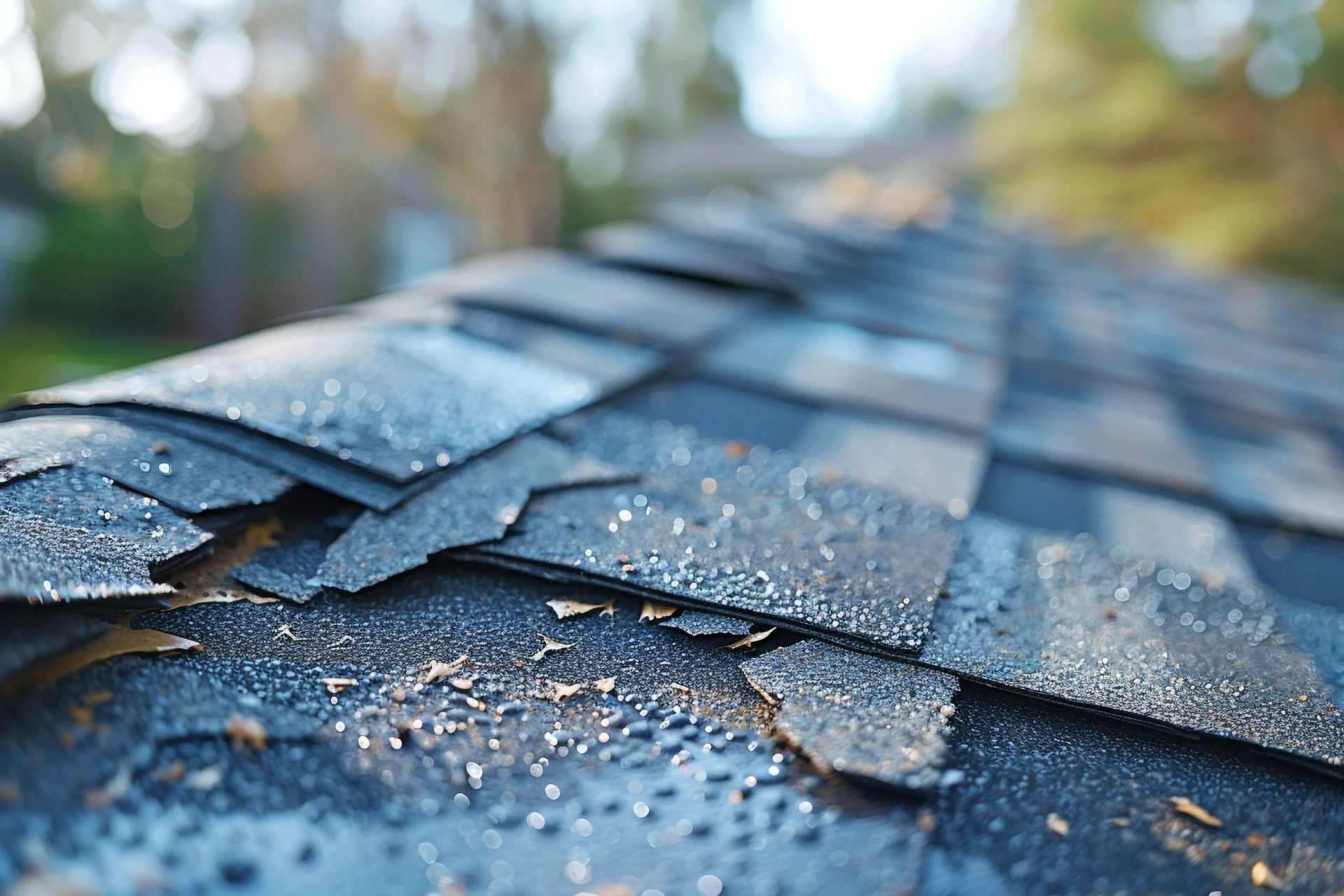
Curling shingles are shingles that begin to bend or lose their flat shape over time. There are two common types of curling:
- Cupping: The edges of the shingles curl upward.
- Clawing: The middle of the shingle rises while the edges curl downward.
Curling often indicates that shingles are aging or that the roof is experiencing ventilation or moisture problems. As shingles lose flexibility and durability, they become more vulnerable to cracking, wind damage, and water intrusion.
Missing shingles can happen separately or alongside curling. Once shingles become weakened, strong winds and storms can more easily tear them away from the roof.
Roof Age and Normal Wear
One of the most common causes of curling or missing shingles is simple aging. Roofing materials are constantly exposed to sunlight, moisture, temperature changes, and harsh weather conditions. Over time, this exposure naturally wears down shingles and reduces their ability to protect the roof effectively.
Ultraviolet rays from the sun can dry out roofing materials and make shingles brittle. Seasonal expansion and contraction caused by temperature changes can also weaken the shingles over time.
Most asphalt shingle roofs have a limited lifespan, and curling shingles are often one of the first visible signs that the roof may be approaching the end of its service life.
Poor Attic Ventilation
Improper attic ventilation is another major cause of curling shingles. A roof ventilation system is designed to regulate heat and moisture inside the attic space. Without proper airflow, excessive heat and humidity can build up beneath the roof.
This trapped heat can cause shingles to overheat from underneath, leading to premature aging and warping. Moisture buildup may also damage the roofing system and contribute to mold or wood rot. Proper ventilation helps extend roof lifespan by reducing heat and moisture stress on roofing materials.
Storm and Wind Damage
Severe weather is one of the leading causes of missing shingles. High winds can loosen shingles or completely tear them away from the roof, especially if the shingles are already aging or damaged.
Hailstorms can also weaken roofing materials by cracking or bruising shingles. Even if storm damage appears minor at first, it can gradually worsen over time and increase the risk of leaks. After major storms, homeowners should inspect their roof for signs of damage and make repairs quickly, as needed.
Improper Roof Installation
The quality of the roof installation has a major impact on how long shingles last. Poor workmanship or improper installation techniques can lead to premature roofing failure.
Common installation problems include:
- Incorrect nail placement
- Improper sealing
- Poor shingle alignment
- Inadequate underlayment installation
If shingles are not secured properly, they may lift more easily during windstorms or fail earlier than expected. Professional installation helps ensure the roofing system performs correctly and meets manufacturer guidelines.
Moisture and Water Damage
Moisture trapped beneath shingles can also cause curling and deterioration. Roof leaks, clogged gutters, or poor drainage may allow water to seep underneath the roofing materials.
As moisture accumulates, it can weaken the roof decking and cause shingles to warp or buckle. Water damage may also spread to insulation, ceilings, walls, and other structural components inside the home. Addressing water problems early can help reduce the risk of more extensive structural damage.
Poor Quality Roofing Materials
Not all roofing materials perform the same way. Lower-quality shingles may deteriorate faster or struggle to withstand extreme weather conditions. Choosing durable materials designed for the local climate can help improve roof longevity and performance.
The Importance of Roof Inspections
Regular roof inspections help identify roofing problems before they become severe. Professional roofers can safely inspect shingles, flashing, ventilation systems, and other roofing components to detect hidden issues.
The Roofing Experience helps homeowners protect their homes with professional roofing inspections, repairs, and replacement services designed to address both minor and major roofing concerns.
Contact The Roofing Experience Today
If you have noticed curling shingles, missing shingles, or other signs of roof damage, contact The Roofing Experience today to schedule a professional roof inspection and protect your home from further damage.